

All your wild camping Lake District FAQs answered
There are few better ways to immerse yourself in the beauty of the Lake District than watching the sun set over the magnificent mountains as you camp out beneath the stars. It’s easy to see why so many people want to find wild camping spots in the Lake District.
But before you head out into the national park with your tent and sleeping bag, it’s important to consider that vital question: is wild camping actually allowed?
Keep reading to discover what the law says about wild camping in the Lakes. We explain the potential drawbacks and offer an alternative option to experience the magic of the Lake District without sacrificing that feeling of freedom.
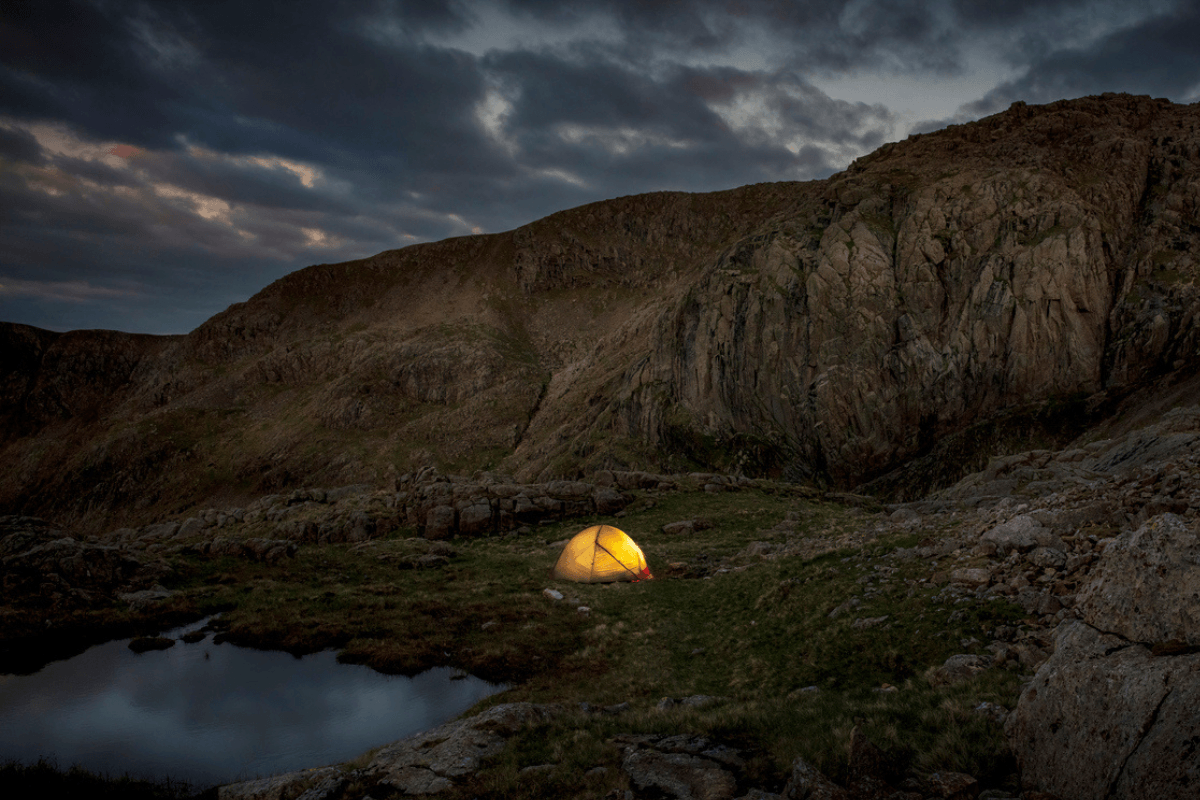
Is wild camping legal in the Lake District?
No. Technically, wild camping anywhere in England requires the landowner’s permission, and the Lake District is no exception.
In the Lake District, obtaining the landowner’s permission is almost impossible because it isn’t clear who owns what land and where the boundaries lie. The Countryside and Rights of Way Act 2000 grants a right to roam on foot across mapped open access land (mountains, moors and commons), but this covers walking, running and climbing only. Camping is explicitly excluded.
So, while the allure of enjoying nature in the Lakes away from the crowds and sleeping outdoors is tempting, it’s important to note that wild camping is illegal.
Wild camping Lake District locations – do they exist, and who controls them?
No single body governs wild camping in the Lakes – four different organisations set the rules, and their positions vary. Let’s look at who they are:
| Organisation | Land managed | Stance on wild camping |
|---|---|---|
| Lake District National Park Authority | Manages the park; owns a small amount of the land | Not permitted on its own land; no power to authorise camping on private land |
| Private landowners | Most of the national park | Permission required; you must leave if asked |
| Forestry England | ~13% of Lake District forests | Prohibited across all sites, to protect against fire and litter |
| National Trust | ~25% of Lake District land | Tolerates discreet, responsible “true” wild camping above the fell wall |
Wild camping spots in the Lake District: where it’s tolerated
Camping isn’t legally sanctioned anywhere, but discreet, high-fell pitches are traditionally overlooked – lakeshores and villages are not.
There’s a long-standing tradition of hikers pitching above the highest fell wall, particularly on multi-day routes with no accommodation nearby. Responsible campers (small groups, one or two tents, gone by morning, leave no trace of their stay) generally go unnoticed.
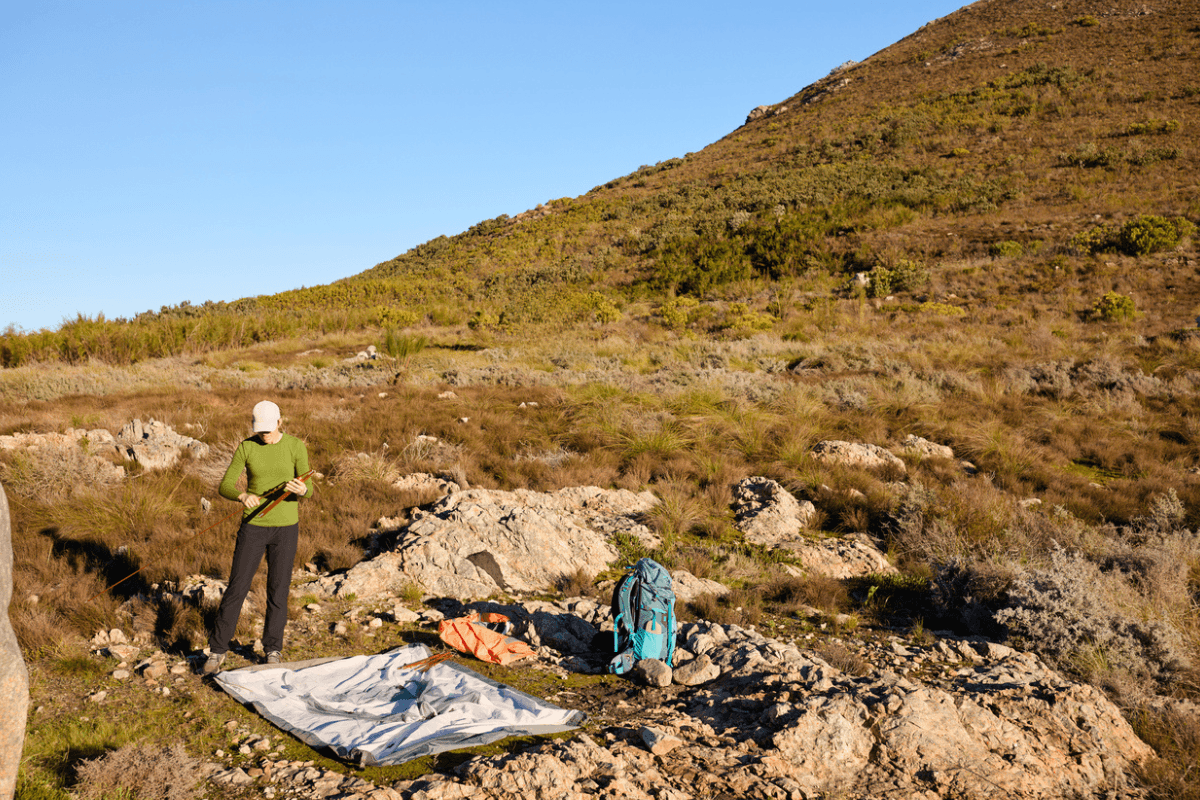
Camping near lakeshores, towns or villages is a different matter; you’re far more likely to be asked to move on there. Remember that trespass is a civil issue, not a criminal one – you can’t be arrested, but a landowner can legally require you to leave.
If you do go ahead, the accepted etiquette for wild camping spots in the Lake District is:
- Camp only above the highest fell wall – never by lakes, towns or villages
- Arrive late, leave early, and never stay more than one night
- Keep to one or two small, inconspicuous tents
- Don’t light any fires, under any circumstances
- Take all litter home and bury toilet waste 30+ metres away from water
- Keep dogs on leads
Potential Drawbacks of Wild Camping
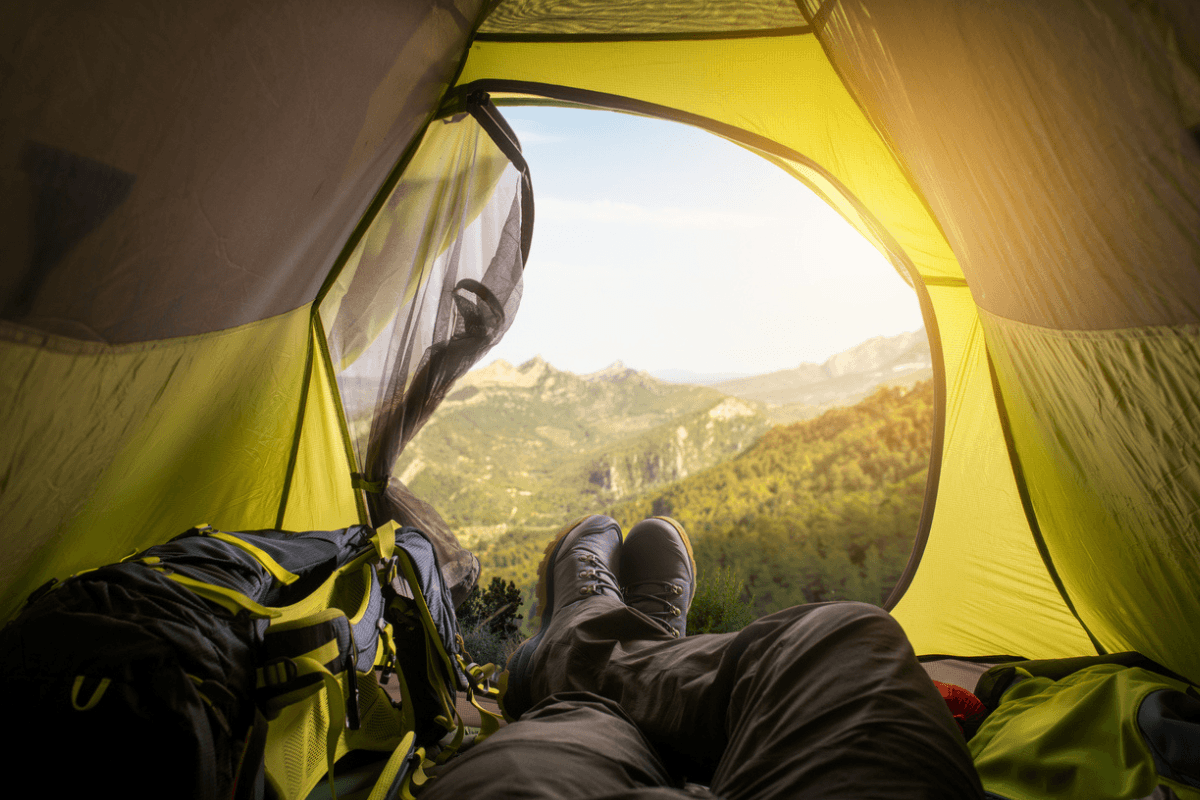
Beyond the legal grey area, the downsides to wild camping are exposure on the fells, poor sleep, and time lost to scouting sites. Here’s a closer look at those, and others:
Unpredictable weather
Weather conditions on Lakeland fells can shift within the hour. Wind, rain and low cloud can make for a cold, damp night of camping. A straightforward walk-in can turn into a genuine safety risk, particularly once you’re above 450 metres with no shelter nearby. Even if the weather forecast looks settled in a Lakeland valley, it can be hostile higher up.
Landowner conflicts
With land boundaries so unclear across the fells, there’s always a chance you’ll be asked to relocate mid-trip when wild camping. Pitching a tent, being moved on, then repacking and finding a second site in the dark takes time, energy, and can be stressful – not the magical night you had planned.
Limited facilities
There are no toilets or safe running water on a fellside. Plus everything (including waste) has to be carried in and out of your site; it’s rarely as glamorous as it looks on Instagram.
Poor sleep quality
A thin mat on uneven ground, condensation inside the tent and temperatures that drop fast, and wind noise against thin nylon after dark rarely add up to a restful night of camping. This is especially significant before a big walking day.
Hidden costs and time
Scouting a legal, sheltered, discreet pitch (one that’s high enough, flat enough and far enough from encroaching water) takes planning. Plus, there’s no guarantee the spot you researched online will still be viable when you arrive. Add the weight of camping gear, food and water, and the “free” night out starts costing you in hours and effort instead of cash.
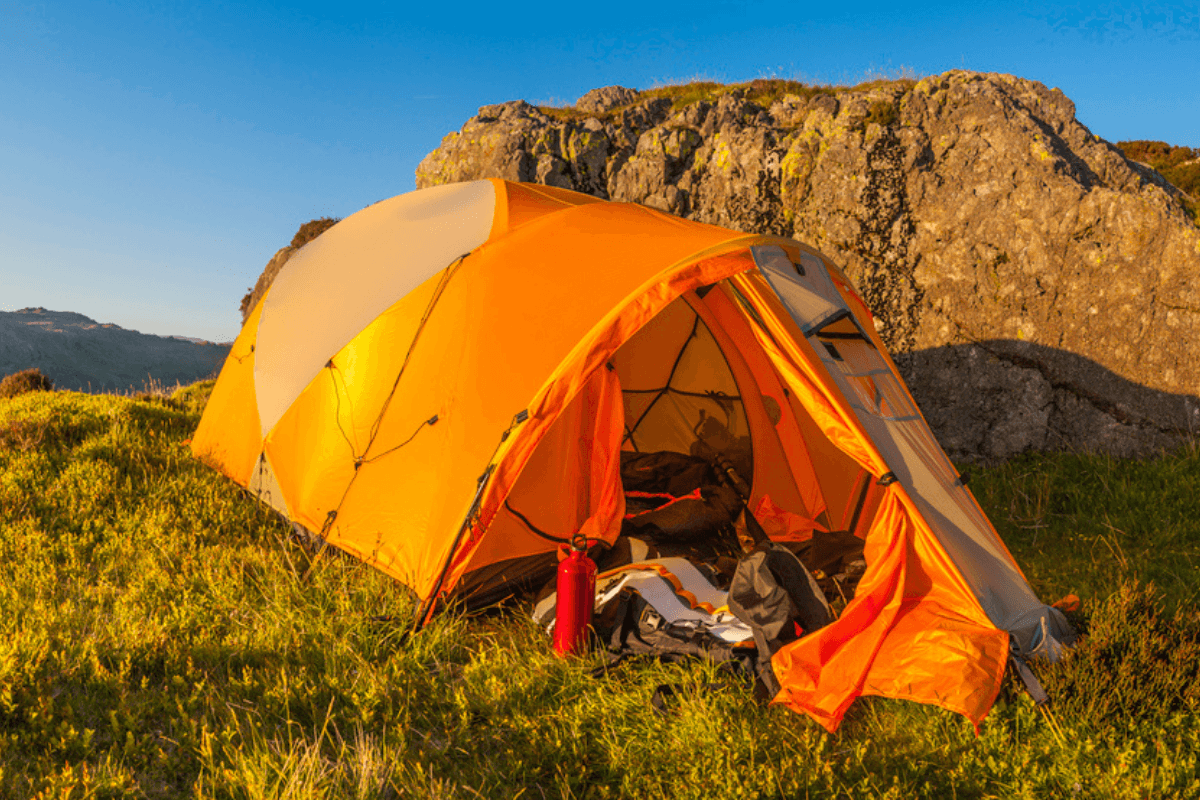
The perfect alternative to wild camping in the Lake District with Coppermines Cottages
For visitors looking for a comfortable compromise to wild camping, a Coppermines shepherd hut offers the same appeal: solitude, dark skies, peace, without the elements that make a night on the fell a gamble.
If you’re wondering what to expect when staying in a shepherd’s hut, each Coppermines shepherd’s hut sits alone on its own patch of fellside, with the benefit of being fully heated and having a private hot tub for stargazing – minus the sleeping bag. Bliss!
Bridge the gap between wild camping and glamping, and find your next adventure with Coppermines Cottages.


