

Rock climbing in the Lake District: How to plan the perfect climbing trip
The Lake District is home to some of the most incredible British rock climbing, packing more variety into a small patch of fells than almost anywhere in the UK. A little planning goes a long way, so here’s how we’d tackle organising a rock climbing trip in the Lake District.
1. Decide what kind of climbing you want to do
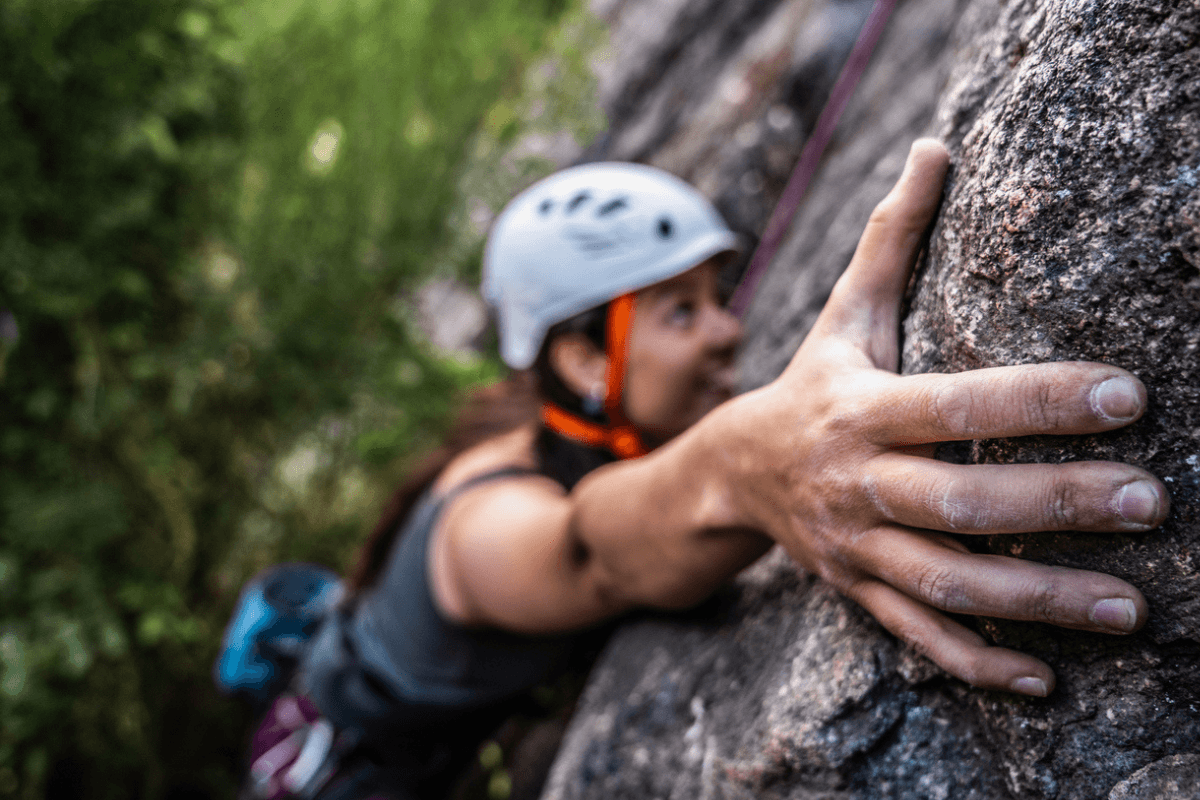
Pick your preferred climbing style first. Trad, sport, bouldering, scrambling, or winter climbing:
- Trad (or traditional) climbing. You place your own removable protection (nuts and cams) as you climb, and your partner takes it out behind you. It’s the Lakes’ speciality, from long multi-pitch routes on the high fells to short routes on valley crags. Classics include Little Chamonix on Shepherd’s Crag and Middlefell Buttress on Raven Crag, Langdale.
- Sport climbing. The routes have fixed bolts, so you simply clip in as you go and focus on the moves. Sport climbing in the Lake District is mostly found in the slate quarries and on the South Lakes limestone. Head to Chapel Head Scar on Whitbarrow or the bolted lines at Hodge Close.
- Bouldering. Short, powerful problems on boulders, climbed without ropes over crash pads. Venues are spread across the whole region. Favourites include the Langdale Boulders and the sandstone of St Bees Head.
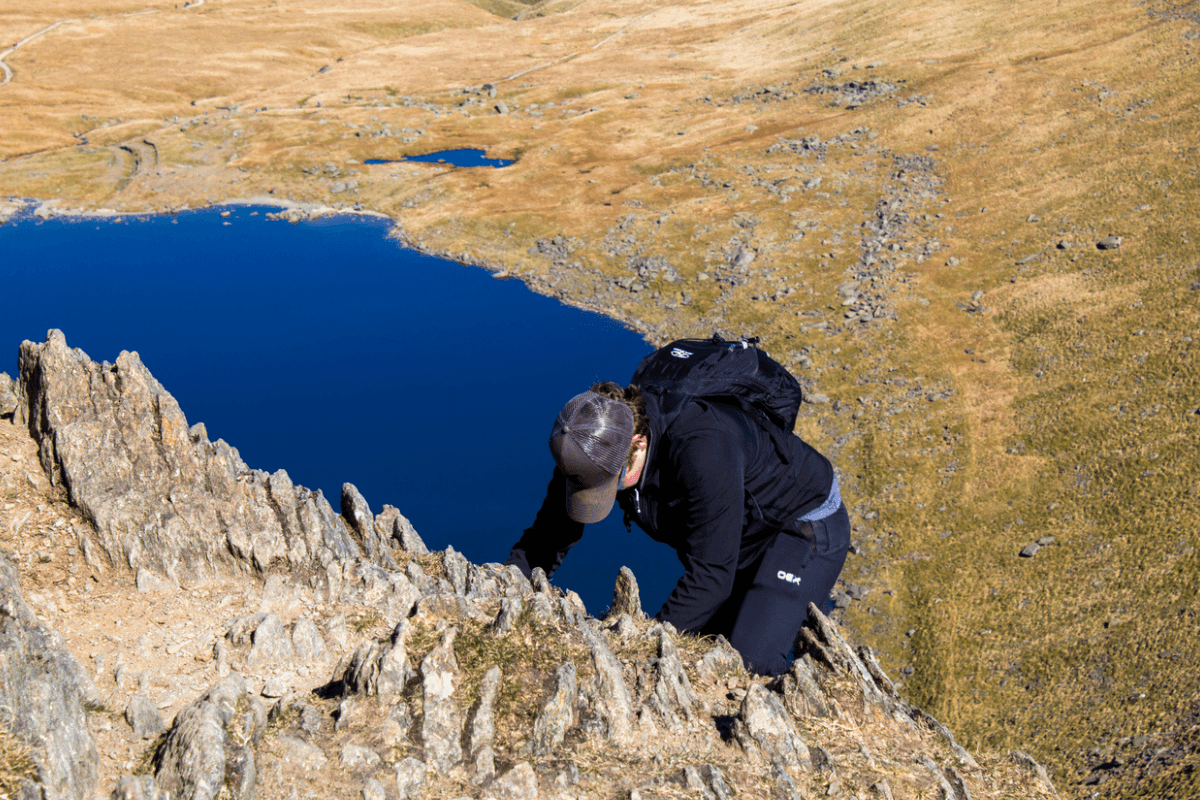
- Scrambling. The step between hillwalking and climbing, using your hands on rocky ridges and gullies. Classics include Jack’s Rake on Pavey Ark, Striding Edge on Helvellyn, and Sharp Edge on Blencathra. Harder scrambles often need a rope and helmet.
- Winter climbing. Climbing snow and ice-filled gullies with ice axes and crampons. Routes only form in really cold conditions, so winter climbing isn’t always an option in the Lakes. When they do, Central Gully on Great End or the gullies of Brown Cove Crags on Helvellyn are great options.
2. Choose the best place to stay
Base yourself near the type of climbing you want to experience. For valley crags with short walk-ins, go for Langdale or Borrowdale. For big mountain days, head to Wasdale.
Coniston covers all three styles: Dow Crag for mountain climbs, Wallowbarrow in the Duddon Valley for trad climbing, and Hodge Close (a classic Lake District quarry) for sport and trad.
Side note: Each area is covered in the FAQs below!
3. Check your gear and experience
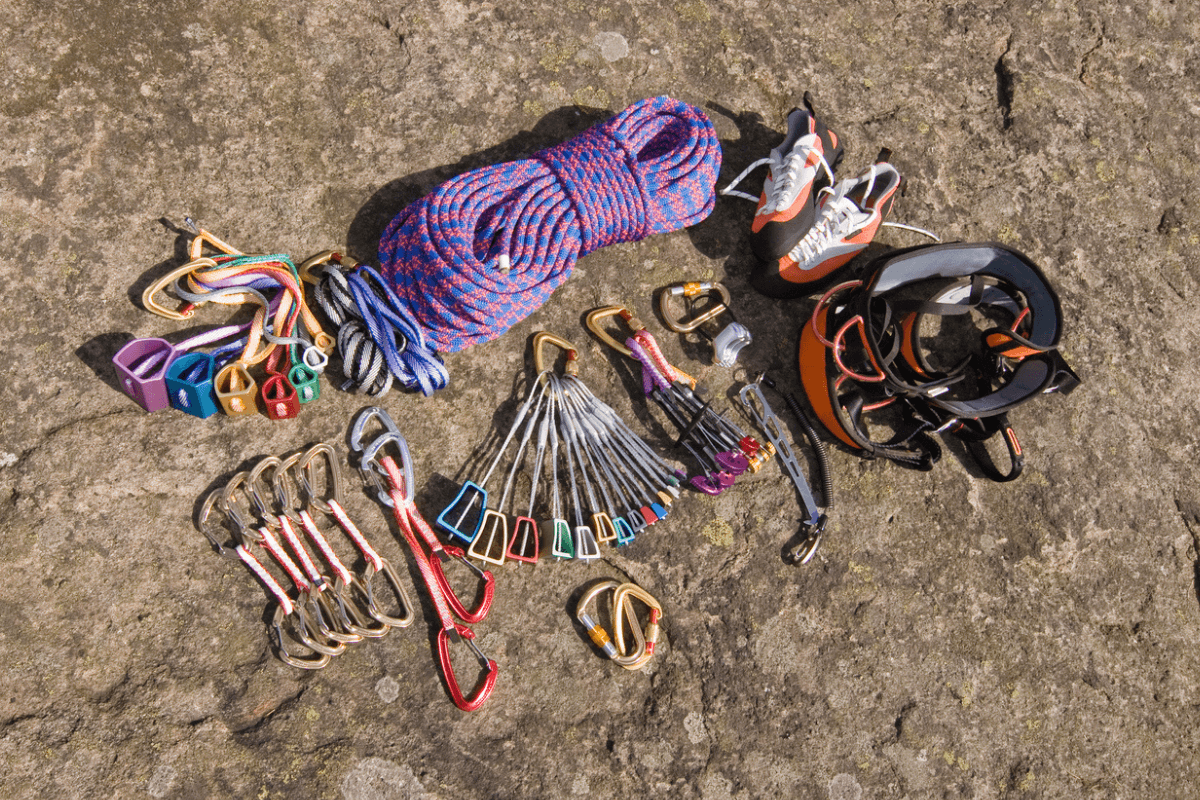
Most Lakeland climbing is trad, so you’ll need a rack, ropes, helmet and the know-how to place gear and build anchors*, plus solid navigation for the higher crags.
The weather also turns quickly up here, so pack warm layers and a proper waterproof.
If you can’t yet lead trad or sport confidently, hire a qualified instructor or guide. They’ll choose a crag to suit the conditions and your level, and teach you as you climb.
*This guide will help you plan your climbing trip to the Lake District, but it’s not to teach you how to climb. Rock climbing carries real risks, so get the skills and experience you need from a qualified instructor or guide before going out on your own.
4. Get a climbing guidebook
A climbing guidebook tells you where each route goes, its grade, and how to find the crag or boulder. It also covers which crags face the sun and dry quickly after rain, as well as access restrictions, such as seasonal bans for nesting birds.
Buy the Fell & Rock Climbing Club (FRCC) guidebooks for the area you’re visiting. The FRCC also publishes a selected-climbs volume covering the best routes across the region.
Boulderers should grab Greg Chapman’s Lake District Bouldering, which covers almost 3,000 problems at over 70 spots. UKClimbing‘s crag pages are handy for checking recent conditions too.

5. Book your stay
Climbers need a base that has somewhere to dry kit, cook a proper dinner, and get a good night’s sleep before an early start.
That’s where a Coppermines cottage comes in.
We have over 80 hand-picked self-catering cottages, most of them in and around Coniston, which puts you right in the heart of Lake District climbing. Dow Crag is walkable from the village in a couple of hours (although most people drive up to Walna Scar car park because it’s a pretty steep walk), with Wallowbarrow and the Duddon Valley just a scenic drive away.
Our mountain cottages sit in the Coppermines Valley itself, at the foot of the Old Man, with boulders practically on the doorstep. And we have plenty of dog-friendly accommodation for your trusty crag dog!
FAQS about rock climbing in the Lake District
I’m a beginner, how do I start Lake District climbing?
Book a taster session or course with a local instructor, the safest way onto real rock. Indoor walls are a good place to start. Climbing walls in the Lake District (like Ambleside, Kendal, and Keswick) are great for building skills.

How do climbing grades work?
UK trad routes have two-part grades:
- The adjectival grade (Moderate, Difficult, Very Difficult, Severe, Hard Severe, VS, HVS, then E1 upwards to E9 and beyond) sums up overall difficulty and seriousness, including how good the protection is.
- The technical grade (4a, 4b, 4c, 5a, and so on) rates the hardest single move.
So a VS 5a has one tricky but well-protected move, while a VS 4a has easier climbing with sparser gear.
Sport routes use French grades (5, 6a, 6b+, 7a, and more), which measure difficulty alone because the bolts take care of protection.
Bouldering uses the Font scale (4, 5, 6A, 6B+, 7A, and so on) or the American V scale (V0, V1, V2, etc). Font grades look like sport grades, but they’re a separate scale: a 6A boulder problem is noticeably harder than a 6a sport route!
Find out more about climbing grades from the British Mountaineering Council:
What are the best crags in the Lake District?
- Langdale. Accessible trad climbing, mostly single and multi-pitch routes on rough volcanic rock. Raven Crag sits right above the Old Dungeon Ghyll, White Ghyll offers steeper, harder routes, and Gimmer Crag has superb multi-pitch climbs higher up.
- Borrowdale. Trad climbing in a stunning valley, with plenty of roadside crags. Shepherd’s Crag has short single and multi-pitch routes for all abilities, while Black Crag offers longer multi-pitch climbs.
- Coniston and Dow Crag. Classic multi-pitch mountain trad on Dow Crag, above Goat’s Water, plus winter gullies. Wallowbarrow in the Duddon Valley offers single-pitch trad at a lower level.
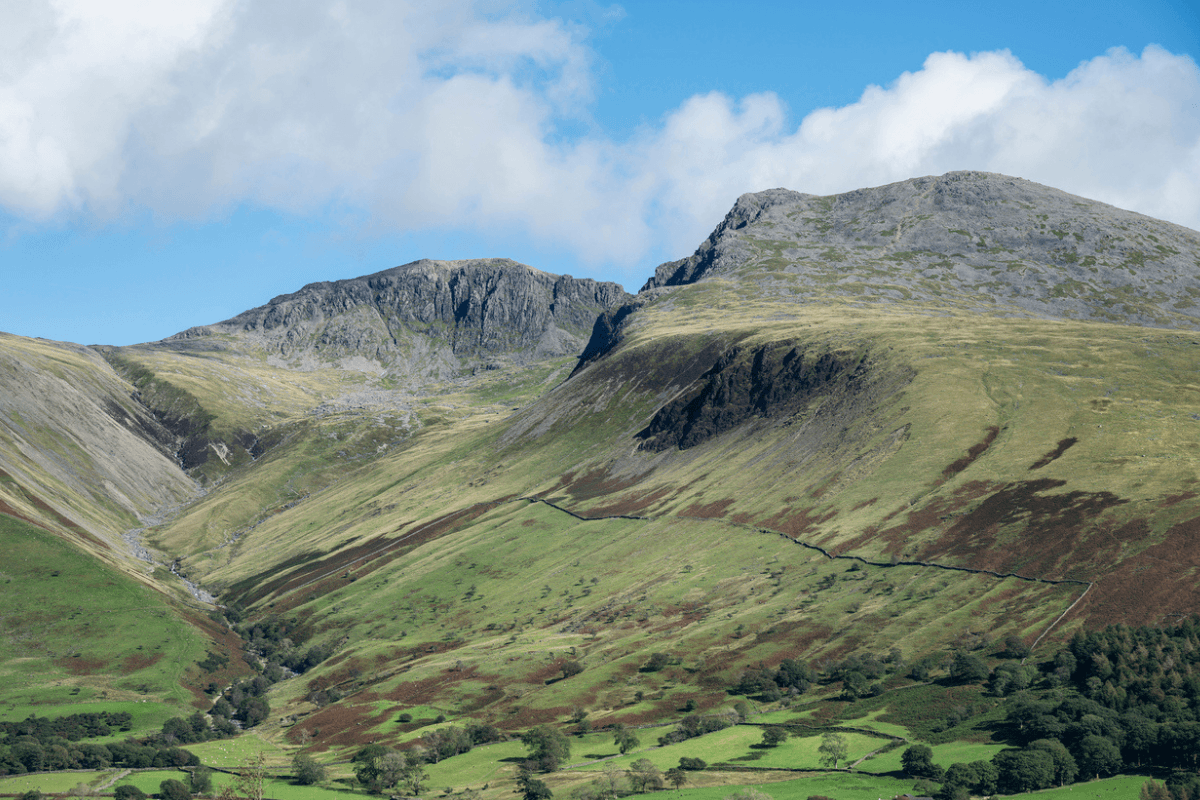
- Wasdale. The birthplace of the sport, home to Scafell and Pillar Rock. Expect long, multi-pitch trad routes with big walk-ins.
- Slate quarries. Technical climbing on smooth slate, with a mix of trad and bolted sport routes. Hodge Close near Coniston is dramatic (with a deep pool at the bottom, so take care).
Book the perfect base for your Lake District rock climbing trip
Planning a Lake District climbing trip comes down to a few key steps. Choosing the right type of climbing, making sure your skills are up to scratch, and booking a comfortable base are some of the most important
Browse our Lake District cottages for your Lake District climbing break today.


