

A Visitor’s Guide to Langdale
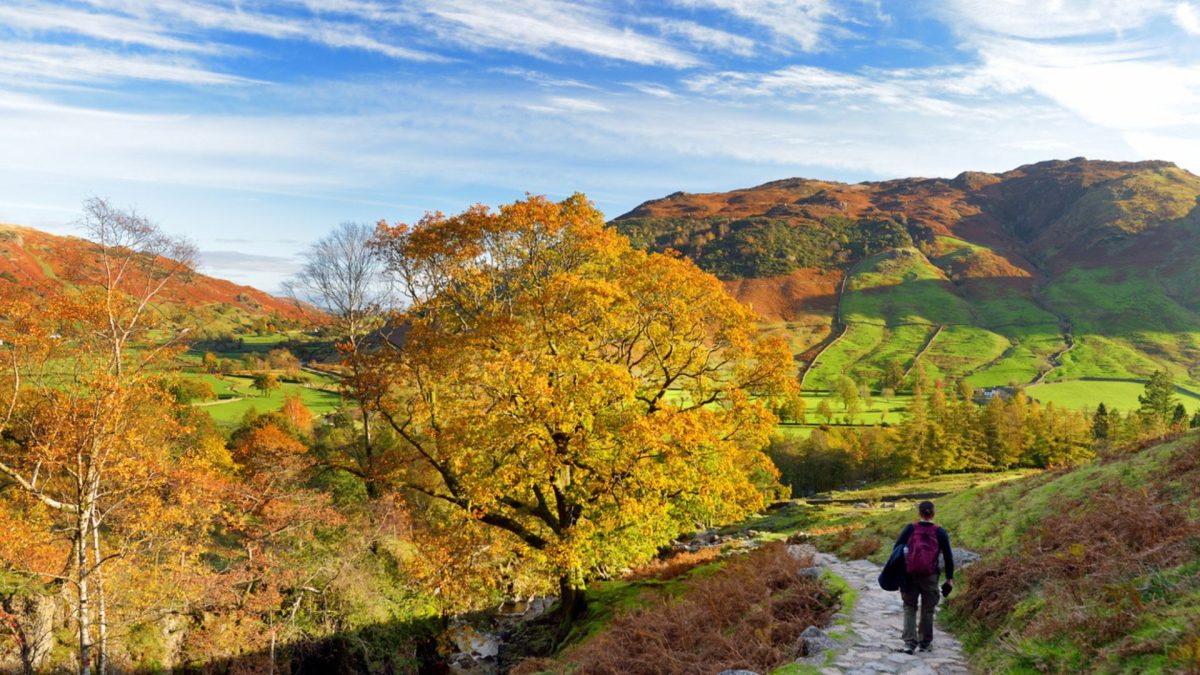
Tucked away in the heart of the Lake District, Langdale is among Cumbria’s most loved valleys, and for good reason. With dramatic scenery, traditional villages, gentle walks, historic pubs, and rich outdoor heritage, the area offers something for every kind of visitor.
But with so much to do, how should you spend your time when you visit?
Whether you’re visiting for a day or staying longer, this guide will help you make the most of your time in Langdale.
Table of Contents
- Where is Langdale?
- How to Get to Langdale
- A Brief History of Langdale
- Exploring Villages in and Around the Langdale Valley
- Lakeside Activities and Water Sports Near Langdale
- The Best Walks and Hikes in and Around Langdale
- FAQs
- Explore Langdale from a Coppermines Cottage
Where is Langdale?
Located just west of Ambleside, Langdale sits within the central Lake District. The area is surrounded by iconic fells, ancient woodland, and glacial valleys shaped over thousands of years.
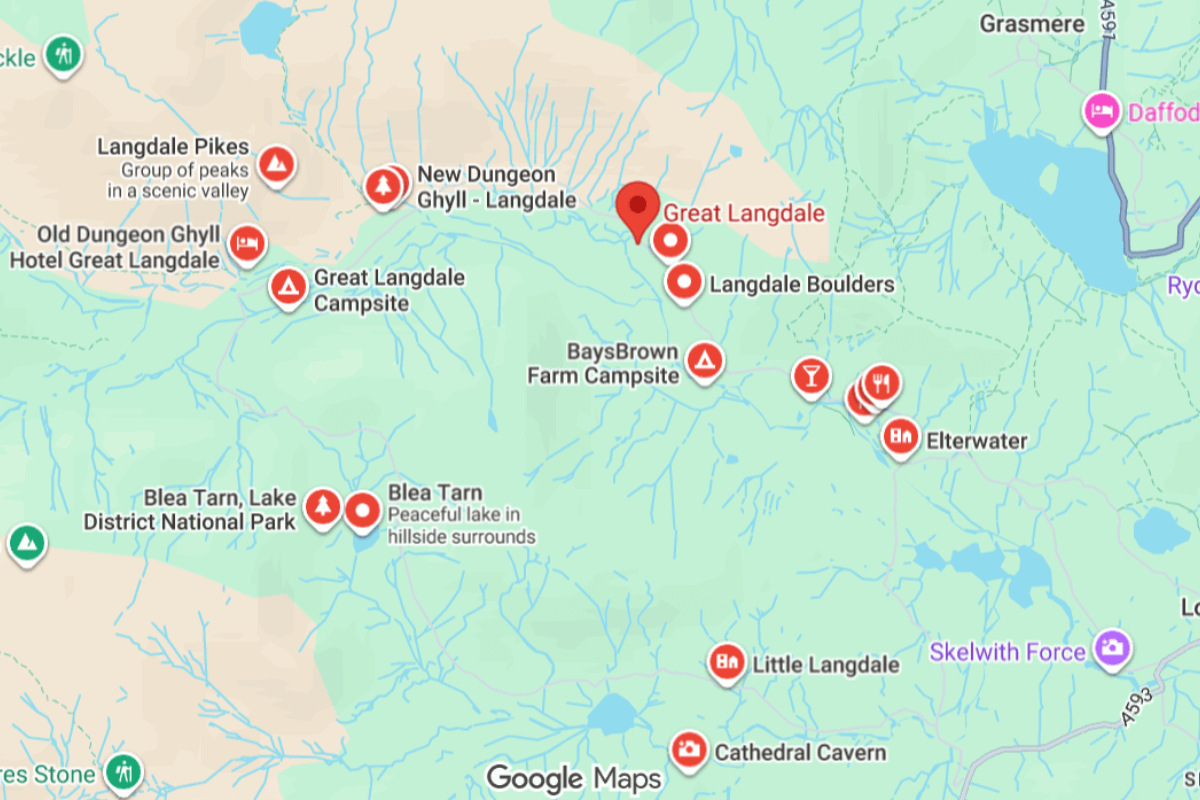
Langdale is made up of two neighbouring valleys: Great Langdale and Little Langdale:
- Great Langdale, Lake District, is the main hub for visitors, offering easy access to well-trodden walking routes, accommodation, pubs, and transport links.
- Little Langdale, Lake District, feels quieter and more rural, with narrow lanes, scattered farms, and a slower pace of life.
Together, they form one of the most diverse and rewarding areas to explore in Langdale Lakes District, combining dramatic mountain scenery with peaceful countryside, and offering everything from iconic high fell walks to gentle valley rambles.
This contrast allows visitors to experience both the lively heart of the Lake District and its more secluded, traditional side in a single visit.
How Do I Get to Great Langdale?
The easiest way to reach Great Langdale is by car, but train and bus options are also available.
How to Get to Great Langdale by Car
From the south: Take the M6 northbound and exit at Junction 36. Follow the A590 and then the A591 towards Windermere, continuing through Windermere to Ambleside. In Ambleside, turn onto the A593 towards Coniston, then at Skelwith Bridge turn right onto the B5343 and follow signs for Great Langdale.
From the east: Travel west on the A66 to Keswick, then take the A591 south towards Grasmere and Ambleside. Continue through Grasmere to Ambleside, where you turn onto the A593 towards Coniston. At Skelwith Bridge, turn right onto the B5343 and follow signs for Great Langdale.
From the north: Take the M6 southbound and exit at Junction 40 (Penrith). Follow the A66 west towards Keswick, then take the A591 south through Grasmere to Ambleside. In Ambleside, turn onto the A593 towards Coniston, then turn right at Skelwith Bridge onto the B5343 for Great Langdale.
From the west: Travel east on the A66 towards Keswick, then follow the A591 south through Grasmere to Ambleside. Turn onto the A593 towards Coniston and at Skelwith Bridge take the B5343, following signs for Great Langdale.
How to Get to Great Langdale by Train
Great Langdale’s closest railway station is Windermere, with regular services from Oxenholme. From either station, you can take a bus or taxi to Great Langdale
How to Get to Great Langdale by Bus
Buses run regularly between Windermere, Ambleside, and Great Langdale, especially in peak tourist seasons. Services typically stop at Elterwater, Chapel Stile, and the Stickle Ghyll area, making it easy to access walking routes without a car.
*Transit information is correct at the time of publishing, but may change. Please check the Stagecoach website for the most up-to-date timetables.
Top tip: Visitors without a car may find it helpful to plan accommodation close to walking routes and amenities. Herdwick Place contemporary cottage is situated within the spectacular Langdale Valley, offering stylish accommodation with incredible mountain walks from the door
A Brief History of Langdale
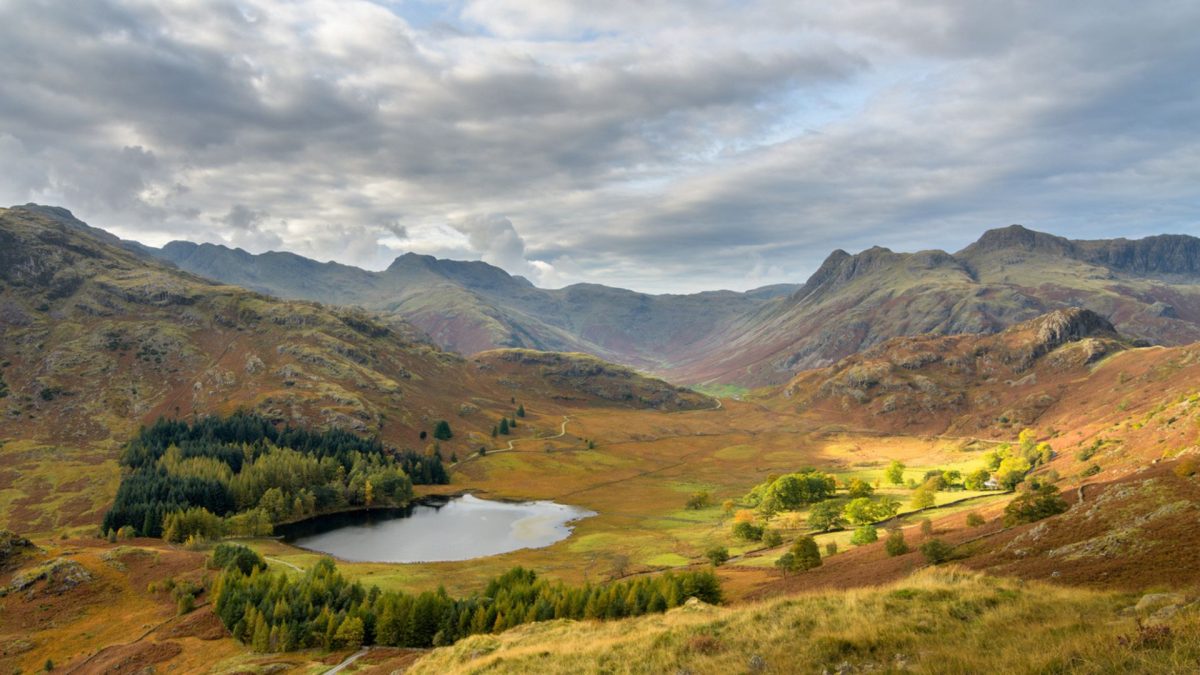
Langdale’s landscape has been shaped by thousands of years of human activity, with layers of history still visible across the valley today:
- Neolithic axe production (c. 3000 BCE). Langdale was one of Britain’s most important prehistoric stone axe quarrying centres. Axes made from local volcanic tuff have been found across the UK, highlighting the valley’s significance in early trade and industry.
- Prehistoric quarry remains. High on the fells above Great Langdale, traces of early quarry sites and working areas still survive, representing some of the earliest large-scale industrial activity in Britain.
- Slate quarrying heritage. From the 18th century onwards, slate extraction shaped much of Little Langdale, Tilberthwaite, and Hodge Close. Abandoned quarries, spoil heaps, and tracks remain prominent features, with sites like Cathedral Quarry standing as dramatic reminders of this era.
- Traditional hill farming. Dry stone walls, barns, and farmsteads reflect centuries of agricultural life. Grazing land and field patterns continue to define the open character of the valley today.
- Outdoor recreation and exploration. Langdale has long attracted climbers, walkers, and mountaineers. Historic inns, packhorse routes, and well-used paths reflect a lasting connection between people and this rugged landscape.
Exploring Villages in and Around the Langdale Valley
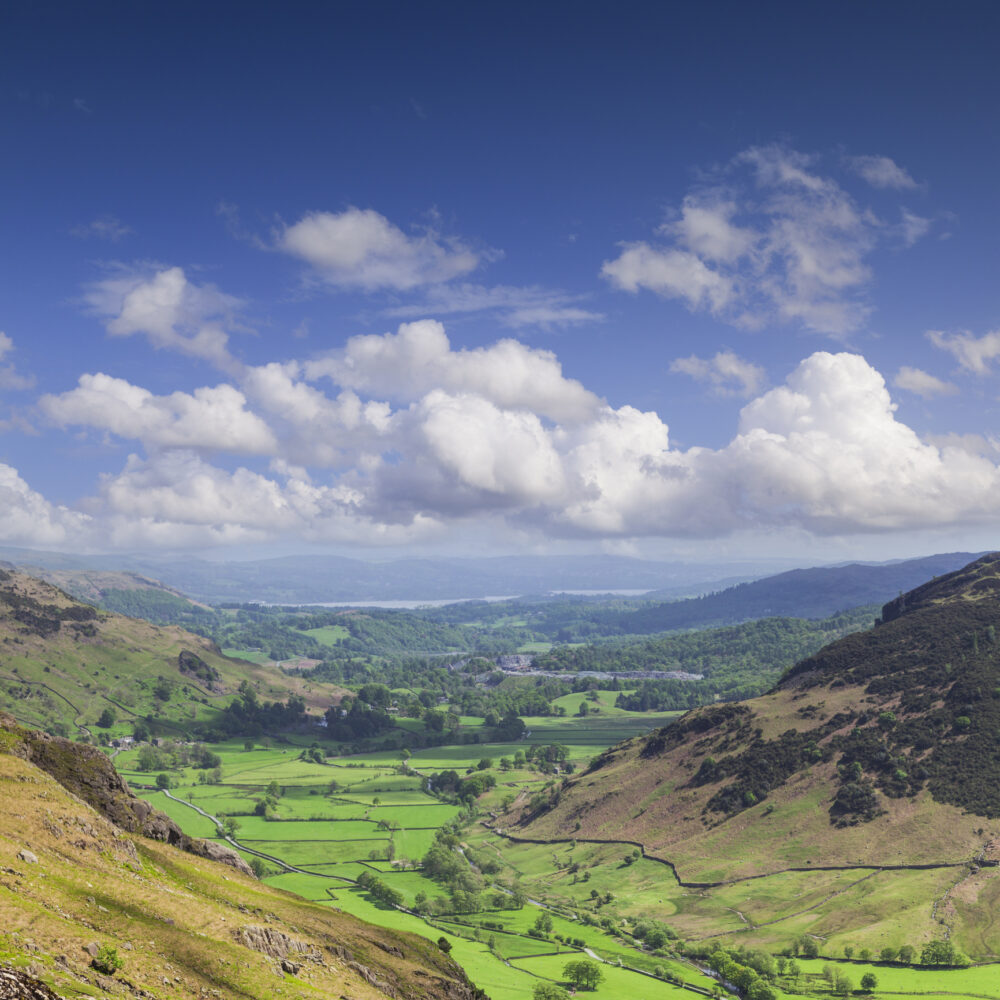
Scattered throughout the Langdale Valley and its surrounding countryside are several small villages and hamlets, each with its own character and charm. These areas offer a glimpse into traditional Lake District life, from quiet farming communities to villages that serve as gateways to the surrounding fells.
Elterwater
Elterwater sits at the eastern edge of the Langdale Valley and is often one of the first stops for visitors arriving from Ambleside. It is ideal for those who want to experience Langdale at a gentler pace, offering riverside walks, woodland trails, and easy circular routes between villages, all without needing to head high into the fells.
Things to Do in Elterwater:
- Enjoy easy lakeside and riverside walks, including village-to-village circular routes
- Try the Miles Without Stiles route to Skelwith Bridge
- Spot waterfowl and red squirrels around the lake and nearby woodland (best at dawn or dusk)
- Take a scenic drive towards Wrynose or Hardknott Pass for dramatic views without hiking
- Paddle on Elterwater in calm conditions for a peaceful on-the-water experience
- Visit The Langdale Hotel & Spa – try to book spa treatments online in advance, especially at weekends and school holidays.
Where to Eat in Elterwater:
- The Britannia Inn – A historic pub with excellent food and ales (booking recommended in peak season)
- Elterwater Café – An independent café and bakery serving homemade cakes, light lunches, and good coffee
Chapel Stile
Located deeper into Great Langdale, Chapel Stile is a small but lively village with strong ties to walking and climbing culture. The area offers easy access to valley-floor paths, woodland routes, and popular fell walks, making it a great base for exploring Langdale without committing to strenuous climbs.
Things to Do in Chapel Stile:
- Explore valley-floor and woodland walks linking Chapel Stile, Elterwater, and Great Langdale
- Enjoy gentle circular routes without committing to high fell climbs
- Watch for birds of prey and red squirrels in the surrounding countryside
- Use the village as a base or stop for a scenic drive over Wrynose Pass
Where to Eat in Chapel Stile:
- Wainwright’s Inn – Hearty food and a changing selection of local ales
- The Climbers Bar at the Old Dungeon Ghyll – Traditional pub serving classic Cumbrian dishes with a focus on local ingredients
Great Langdale
Great Langdale is a broad, sweeping valley dotted with farms and iconic landmarks, offering adventure and gentle exploration. Towered by the dramatic Langdale Pikes, it’s one of the Lake District’s most recognisable landscapes and a starting point for many classic fell walks.
Things to Do in Great Langdale:
- Walk the valley floor or explore Mickleden Valley for dramatic scenery without steep climbs
- Tackle classic routes such as the Langdale Pikes circuit, Bowfell, or Crinkle Crags
- Enjoy wildlife spotting, including peregrine falcons and deer
- Take a scenic drive towards Hardknott Pass with plenty of photography stops
Where to eat in Great Langdale:
- New Dungeon Ghyll Restauarant – A quieter, classic pub with panoramic valley views
Little Langdale
Little Langdale’s peaceful setting makes it especially appealing for visitors interested in unhurried exploration. Quiet lanes, low-level valley walks, and historic quarry routes allow you to experience the landscape at a relaxed pace.
Things to Do in Little Langdale:
- Wander quiet lanes and low-level valley paths at an unhurried pace
- Walk the Little Langdale and Elterwater circular route, passing Slater Bridge and the River Brathay
- Explore historic quarry sites, including Hodge Close, Tilberthwaite, and Cathedral Quarry
- Watch for diverse wildlife, with excellent birdwatching opportunities year-round
- Use the area as a base for scenic drives over Wrynose and Hardknott Passes
Where to Eat in Little Langdale:
- The Drunken Duck Inn (near Ambleside) – Renowned gastropub offers seasonal menus, local beers, and an inviting atmosphere for walkers and food lovers
Skelwith Bridge
Situated just outside the Langdale Valley, Skelwith Bridge acts as a natural link between Langdale, Ambleside, and Elterwater. The village is best known for its riverside setting, woodland walks, and access to Skelwith Force, one of the area’s most impressive waterfalls.
Things to Do in Skelwith Bridge:
- Follow riverside and woodland walks to Skelwith Force waterfall
- Enjoy easy, low-level walking suitable for relaxed days out
- Spot wildlife along the riverbanks, especially in quieter hours
- Use Skelwith Bridge as a stop on scenic driving routes between valleys
Where to Eat in Skelwith Bridge:
- Chesters By The River – Popular café and bakery with riverside seating, offering good coffee, brunch, lunches, and excellent vegetarian and vegan options
Top Tip: Chesters By The River is an ideal endpoint for the Elterwater–Skelwith Bridge walk.
Lakeside Activities and Water Sports Near Langdale

For a change of pace, nearby lakes offer a range of water-based activities, from gentle paddling to adrenaline-filled adventures. Whether you’re gliding across calm water or taking on mountain streams, water sports add a refreshing dimension to any Langdale visit.
- Kayaking, canoeing, and paddleboarding. Although Langdale itself has no large central lake, excellent watersports options are close by. Elterwater is ideal for calm, beginner-friendly paddling.
- Wild swimming and tarn dips. Langdale is home to some of the Lake District’s most scenic swimming spots. Blea Tarn is popular for its easy access and peaceful setting, while higher tarns such as Stickle Tarn reward more adventurous swimmers with dramatic mountain scenery.
- Ghyll scrambling and canyoning. Langdale is one of the Lake District’s top areas for ghyll scrambling. Stickle Ghyll is especially well known, with guided experiences combining climbing, swimming, and scrambling through mountain streams. Nearby valleys also offer canyoning and abseiling with professional outdoor centres providing equipment and instruction.
- Sailing and windsurfing. For wind-powered activities, Coniston Water and Derwentwater are popular choices, offering open water, reliable conditions, and sailing clubs with rental facilities.
Booking tip: Guided activities (such as ghyll scrambling or canyoning) should be booked in advance through reputable local outdoor centres, especially in peak seasons.
For up-to-date information on where and how to take part in watersports, including equipment hire, guided sessions, and safety requirements, visit the Lake District National Park website, which provides guidance on responsible access and local regulations.
Sailing and windsurfing information, including club access and boat hire, is available via Coniston Sailing Club.
Lake District Adventuring specialises in beginner-friendly ghyll scrambling and can tailor sessions for families, combining with other activities if wanted. Mountain Goat Tours are also a sightseeing and guided tour company, with options around the valleys, lakes and historic spots in the region.
6 of the Best Walks and Hikes in and Around Langdale

Langdale has walks for every level, from easy valley strolls to mountain adventures. Explore peaceful quarry trails, accessible paths like Elterwater to Skelwith Bridge, or tackle the classic Langdale Pikes Circuit for stunning views and tarns.
Fun fact: Free guided heritage walks are available to book during peak walking season (spring – autumn). The Lake District National Park Authority runs volunteer-led guided walks in the area, including routes from Tilberthwaite into Little Langdale.
1. Stickle Tarn Trail
Difficulty: Challenging
Full trail distance: 1.9 miles (3.04km)
Start/end: Starts at the New Dungeon Ghyll / Sticklebarn area and follows the same route up to Stickle Tarn before returning the same way.
This is one of Langdale’s most iconic walks, climbing steadily on a well-defined path to Stickle Tarn, a dramatic glacial lake beneath the cliffs of Pavey Ark. As you gain height, wide views open up across Great Langdale, and the final approach to the tarn is especially rewarding on calm days when the water reflects the surrounding crags.
Although short, the route feels mountainous and is best tackled as a half-day walk in good weather.
2. Mickleden Valley Walk
Difficulty: Easy
Full trail distance: 3.8 miles (6.08 km)
Start/end: Begins near the Old Dungeon Ghyll and follows the valley westwards before returning the same way.
📍 View the full walking route.
A gentle, open walk through one of Langdale’s quietest valleys, this route follows grassy paths alongside the River Great Langdale. The walk is easy and unhurried, with scenery gradually shifting from pastureland to more remote views.
It’s ideal for visitors who want to experience the scale and atmosphere of the fells without steep climbs, and it’s particularly popular with photographers and those seeking a peaceful outing.
3. Elterwater to Skelwith Bridge (Miles Without Stiles)
Difficulty: Easy
Full trail distance: 2.4 miles (4 km) linear walk (1.2 miles/2km each way)
Start/end: Starts in Elterwater village and finishes at Skelwith Bridge, following the same route back if returning on foot.
This fully accessible walk follows smooth, well-surfaced paths through woodland, open countryside, and alongside water, linking Elterwater with Skelwith Bridge. With gentle gradients and constant fell views, it’s suitable for all abilities, including pushchairs and wheelchairs.
Skelwith Bridge makes a rewarding turning point, with cafés nearby and easy access to Skelwith Force waterfall.
Fun fact: This route is part of Miles Without Stiles, a collection of accessible paths designed to avoid stiles, steps, and steep gradients. These routes are suitable for pushchairs, wheelchairs, and anyone looking for an easy, barrier-free walk.
4. Elterwater to Cathedral Quarry
Difficulty: Easy
Full trail distance: 1.9 miles (3.04km)
Start/end: Begins in Elterwater village and follows woodland and quarry tracks to Cathedral Quarry, returning the same way.
This relaxed walk combines classic Lakeland scenery with a glimpse into Langdale’s industrial past. The route gradually leaves the valley floor, leading into quieter woodland before opening into the striking slate walls of Cathedral Quarry. The contrast between peaceful countryside and dramatic quarry architecture makes this an especially interesting and rewarding short walk.
5. Tilberthwaite to Cathedral Quarry
Difficulty: Easy
Full trail distance: 1.5 miles (2.4 km)
Start/end: Starts in the Tilberthwaite valley and follows woodland paths and old quarry tracks to Cathedral Quarry.
A short but atmospheric walk, this route winds through woodland and historic quarry tracks before reaching the echoing interior of Cathedral Quarry. Light filtering down between the slate walls creates a dramatic setting and offers a strong sense of Langdale’s industrial heritage. Some sections are uneven underfoot, so sturdy footwear is recommended.
6. Hodge Close to Cathedral Quarry
Difficulty: Easy
Full trail distance: 1.4 miles (2.24 km)
Start/end: Begins at Hodge Close Quarry and follows old industrial paths to Cathedral Quarry.
Linking two of Little Langdale’s most striking quarry sites, this short walk feels adventurous despite its modest length. Hodge Close’s sheer rock faces and deep water create an impressive starting point, while the quieter woodland paths in between add contrast. It works well as a standalone walk or combined with other nearby routes for a longer exploration.
FAQs About Langdale

When Is the Best Time to Visit Langdale?
Each season offers something different, making Langdale a place many visitors return to again and again.
The best time to visit depends on the activities you want to enjoy:
- Spring. Gentle valley walks, wildlife spotting, and easy hikes.
- Summer. Fell hikes, mountain climbs, lakeside paddling, kayaking, and paddleboarding.
- Autumn. Low-level walks, cycling, wild swimming, and quieter outdoor adventures.
- Winter. Winter mountaineering, ghyll scrambling, and exploring snow-covered valleys.
Is Langdale Suitable for Families and Less Experienced Walkers?
Yes, Langdale caters well to families and those looking for gentler outdoor experiences. The valley offers accessible paths, riverside walks, and Miles Without Stiles routes, alongside cafés and picnic spots. Families can enjoy the landscape without tackling steep climbs, while more adventurous options remain nearby for confident walkers.
How Busy Does Langdale Get?
Langdale is popular, particularly during summer weekends, school holidays, and peak walking seasons. However, its size and variety of routes mean it rarely feels too crowded to enjoy. Visiting midweek, starting walks early in the day, or exploring quieter areas such as Mickleden or Little Langdale can offer a more peaceful experience.
How Long Should I Spend in Langdale?
A weekend is enough to get a feel for Langdale, enjoy a few walks, and experience the local food scene. However, spending three to five days allows time to explore both Great and Little Langdale, try different activities, and enjoy the valley at a more relaxed pace.
Explore Langdale from a Coppermines Cottage

Whether you’re planning a long weekend tackling the Langdale Pikes or a peaceful break focused on gentle valley walks, Coppermines Cottages places you exactly where you want to be: surrounded by mountains, rivers, and some of the Lake District’s most iconic views.
A self-catered cottage is an ideal base for exploring Langdale, especially for those who want flexibility, comfort, and direct access to the outdoors. Take a look at our cottages in the Langdale Valley to see what’s available.
From cosy retreats for couples to larger cottages suitable for families or groups, there’s a range of options to suit different styles of stay.


