

A guide to glamping in the Lake District: Where to stay and what to expect
Glamping has exploded in popularity over the last few years, with hundreds of pods, yurts, huts, and cabins popping up across the country – including the Lake District. Because of this, knowing where to stay can be pretty overwhelming.
In this guide, we help you choose the best glamping Lake District accommodation, and share which amenities and features to consider before you book.
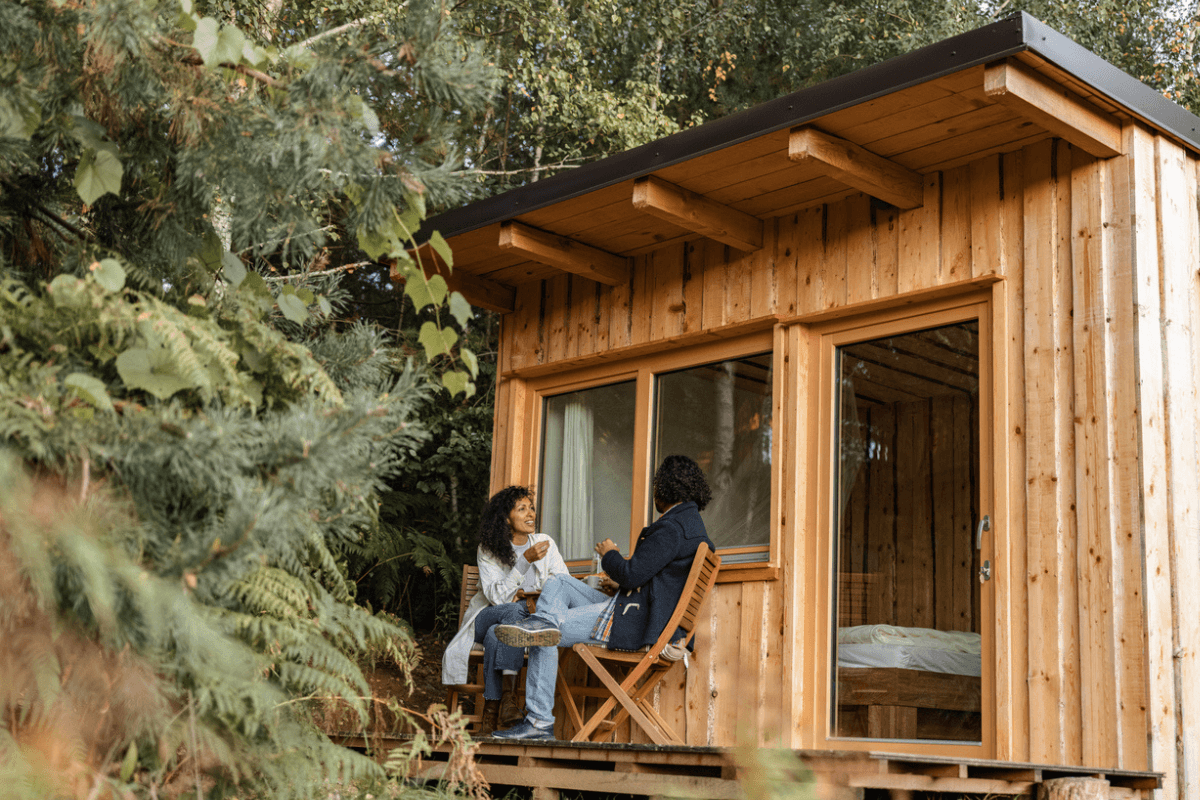
How to plan and book the best Lake District glamping site
To find the right Lake District glamping site, choose your ideal type of accommodation, pick a location that suits your trip, and check if it has the facilities you need.
Get those three things right and you’ll book a stay you’ll love, whether it’s a romantic weekend, a family adventure, or a walking break with the dog.
Let’s take a look at these steps in more detail.
1. Choose your ideal type of glamping accommodation
The six main Lake District glamping options are pods, yurts, bell tents, shepherd’s huts, cabins, and treehouses. Each one gives you a different mix of space, comfort, and price:
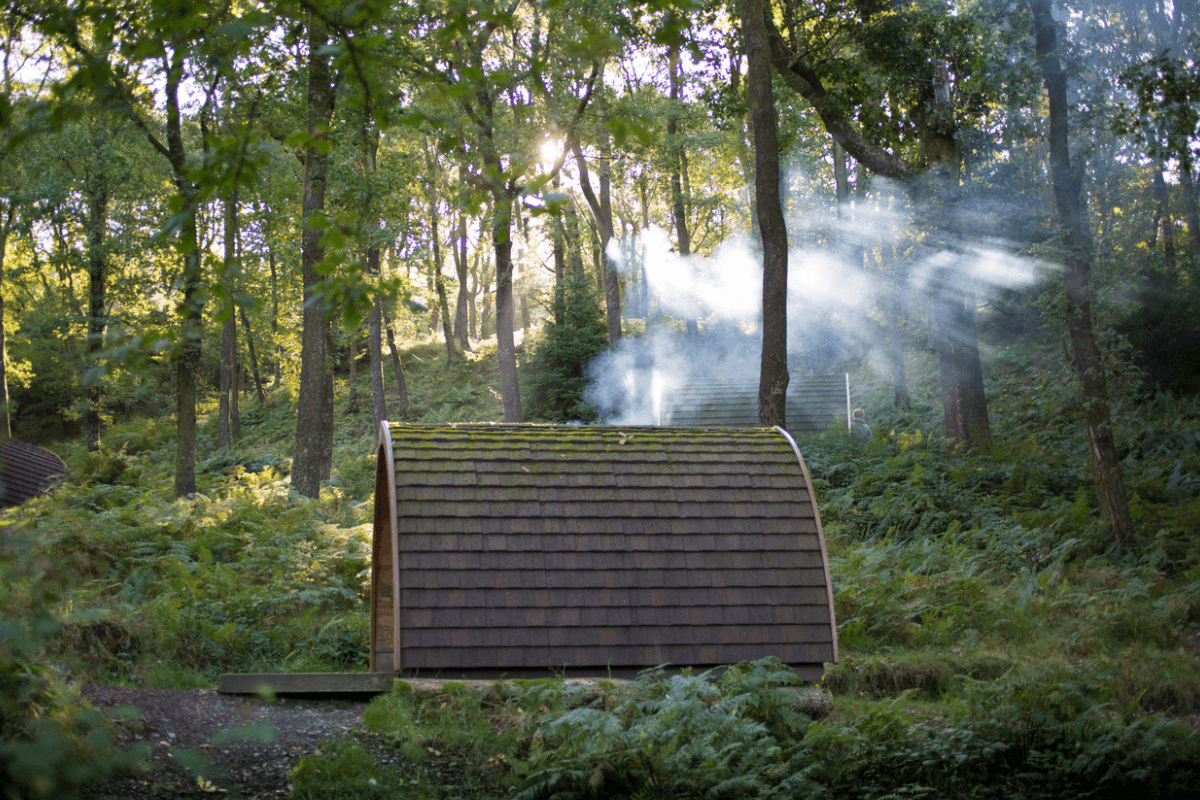
- Glamping pods. Small, insulated wooden huts with a curved roof, usually sleeping two to four people. They’re often the cheapest option, but many glamping Lake District pods share a toilet and shower block.
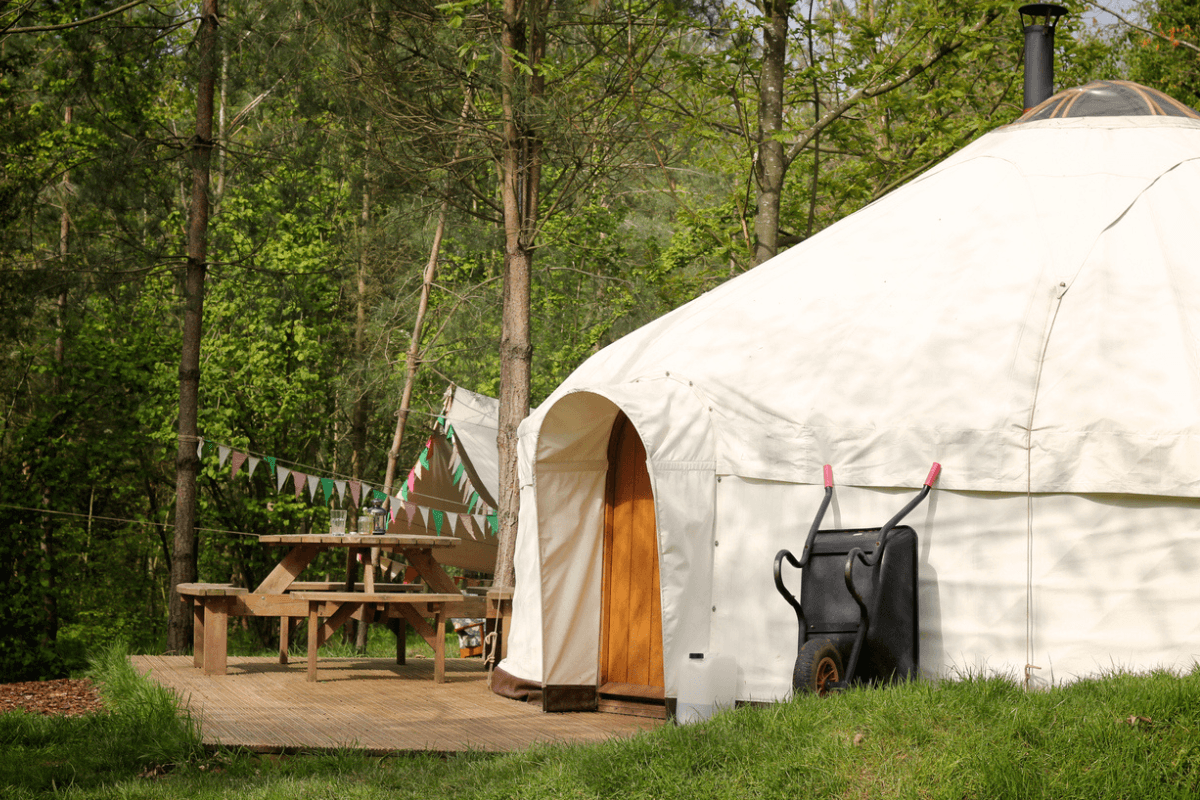
- Yurts. Large, round canvas tents on wooden frames, based on the traditional homes of Central Asian nomads. Inside, you’ll usually find real beds, rugs, and a wood burner, with plenty of room to move around.
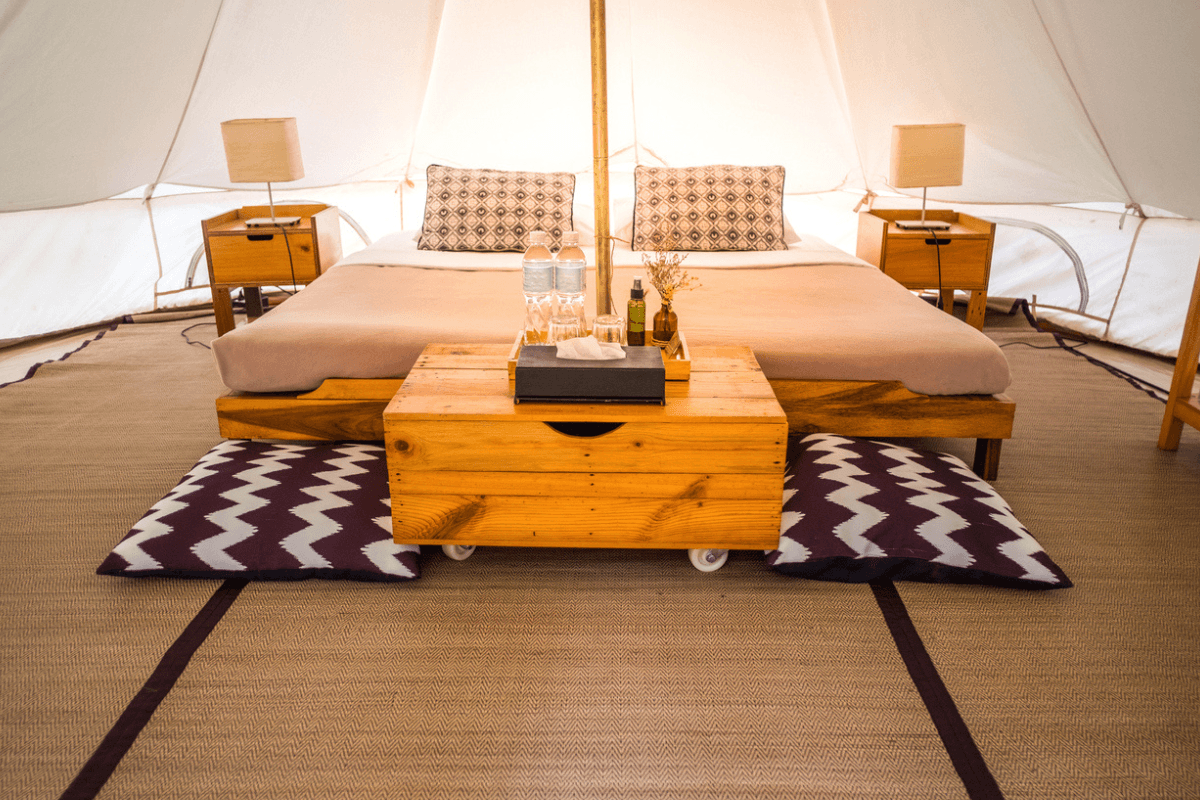
- Bell tents. Big cone-shaped canvas tents held up by a single central pole, furnished with real beds and soft furnishings. They’re the closest thing to traditional camping.
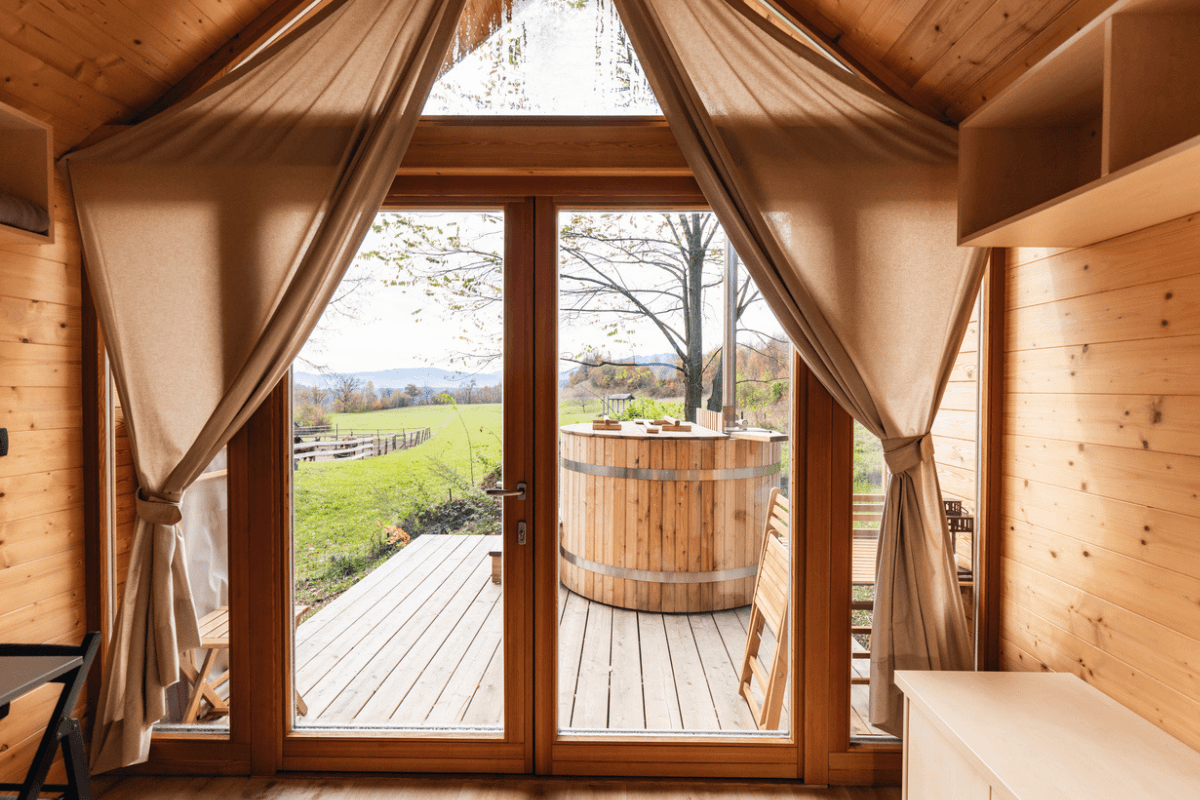
- Shepherd’s huts. Small wooden huts on wheels, based on the shelters shepherds once lived in during lambing season. Modern versions are fully insulated and heated, and luxury options have ensuite bathrooms, kitchens, and private hot tubs.
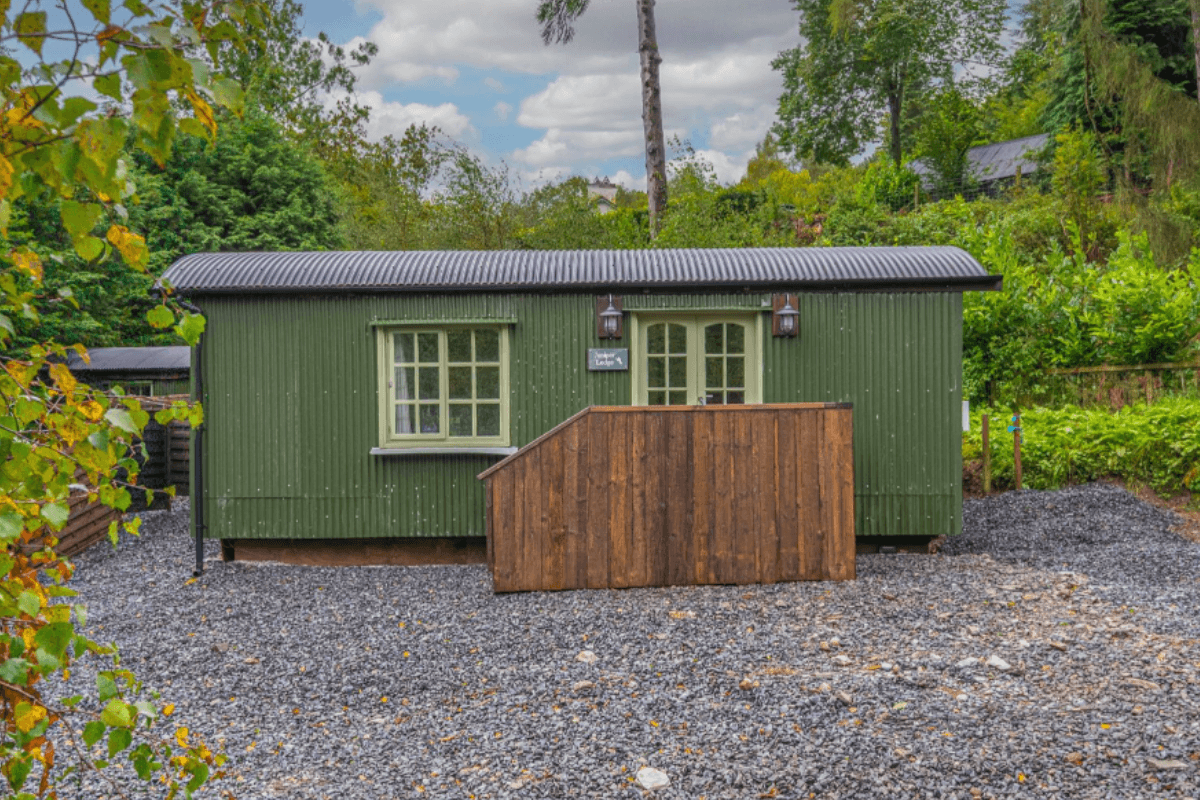
- Cabins. Standalone timber lodges with separate rooms, a kitchen, and a bathroom. They’re the most spacious option, so they feel closer to a small holiday cottage.
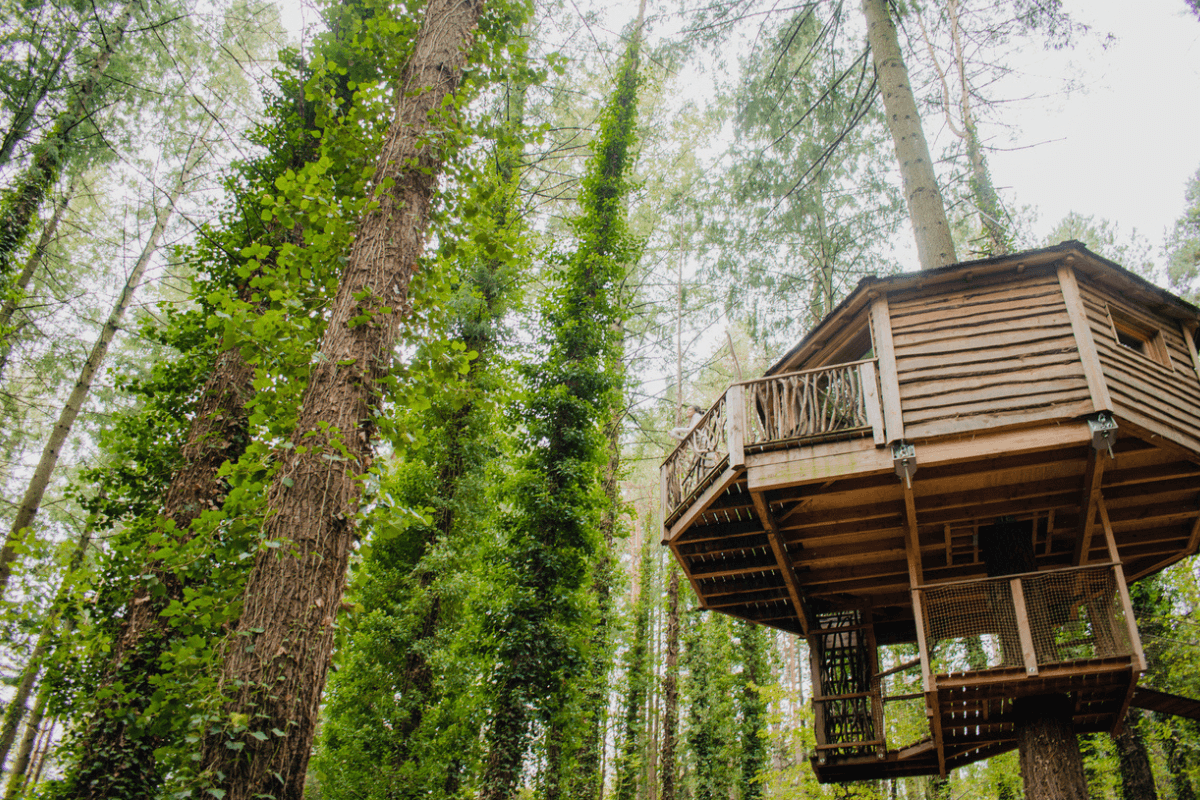
- Treehouses. Wooden cabins built among or raised up into the trees, reached by stairs, ladders or walkways. You sleep high in the woodland canopy with treetop views, but there are only a few in the Lakes, so they book up early.
2. Pick your ideal Lake District glamping location
There are lots of places to go glamping in the Lake District, including Coniston, Windermere, Ullswater, Keswick, and Hawkshead. The best option depends on what you want to get out of your trip.
Here’s a quick breakdown of why we think each location is ideal for glamping in the Lakes:
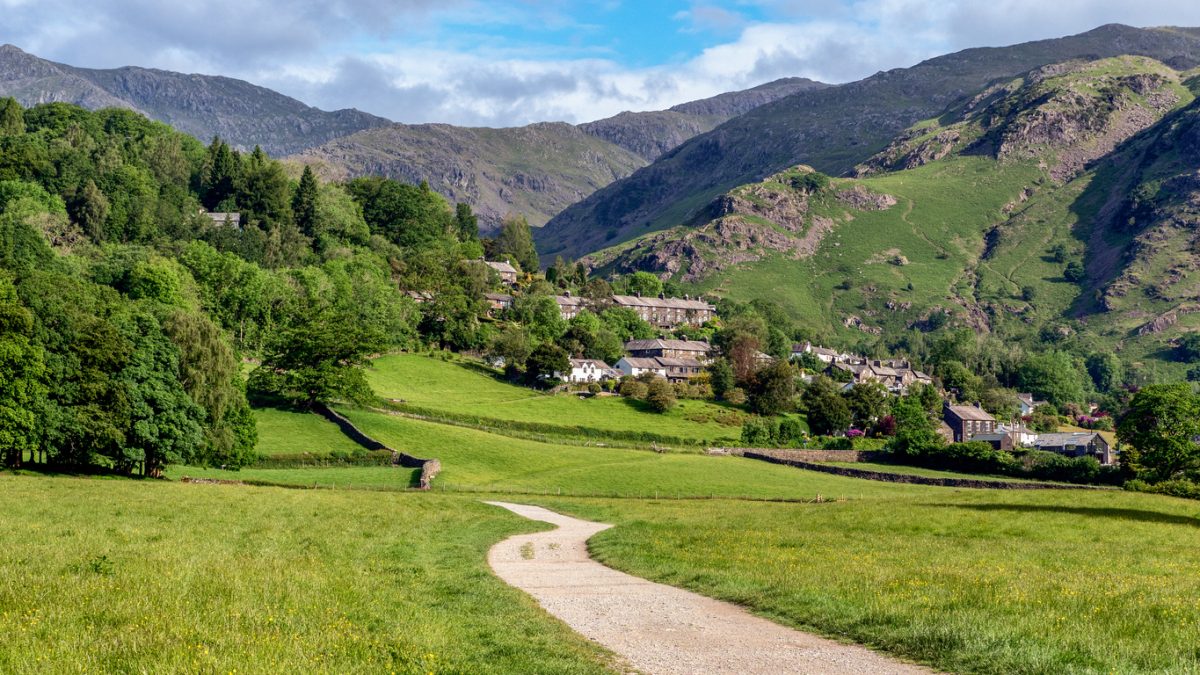
- Coniston: Best for a quiet village base with fells, a lake, and pubs within easy reach on foot. You can walk from the village up the Old Man of Coniston, explore the waterfalls and old mine workings of the Coppermines Valley, or stroll down to Coniston Water. The lake is also ideal for wild swimming, paddleboarding, or a trip on the Victorian Steam Yacht Gondola.
- Windermere: Best for first-timers who want plenty to do. It’s England’s largest natural lake, and Bowness-on-Windermere packs in lake cruises, boat hire, shops, and The World of Beatrix Potter.
- Ullswater: Best for combining boat trips with lakeside walks. Hop on an Ullswater “Steamer” from Glenridding to Howtown, then walk the shoreline path back for one of the most popular low-level walks in the Lakes.
- Keswick: Best for big mountains and a lively town. Keswick sits beneath Skiddaw, England’s fourth-highest mountain, with Blencathra and Catbells close by. After a day on the fells, explore the busy market town with plenty of pubs, cafés, and outdoor shops.
- Hawkshead: Best for Beatrix Potter fans and forest adventures. This village sits between Windermere and Coniston, with the Beatrix Potter Gallery in the centre and her farmhouse, Hill Top, two miles away. Next door, Grizedale Forest offers walks, mountain bike trails, and treetop adventures at Go Ape.
3. Find glamping Lake District accommodation that suits your requirements
Before you book, decide which facilities you can’t live without, what you want nearby, and who’s coming with you. Here’s what to check:
- Bathroom. Is it ensuite, or will you share a toilet and shower block? An ensuite means no torchlit dashes across a wet field at midnight.
- Heating. Ask whether the unit is insulated and properly heated, not just fitted with a small electric heater. This matters most between October and April, when Lake District nights regularly drop close to freezing.
- Hot tub. Check whether it’s private or shared. A private hot tub after a long fell walk is hard to beat, but those units sell out fast, so book early.
- Kitchen. Do you get a hob, fridge, and kettle, or just a microwave? If you plan to cook most nights, a proper kitchen saves you a lot on eating out.
- Pet policy. Planning a pet friendly glamping Lake District holiday? Check if the site is pet friendly and whether there’s a fee.
- WiFi and phone signal. Signal can be patchy in the Lakes, so check what’s available if you need to track weather forecasts or be reachable the whole time.
- Activities. Think about what you want to do and pick a site close to it. For example, in Coniston you can cruise on Coniston Water without getting in the car.
- Food and drink. Can you walk to a pub or café, or will someone have to drive? Book a table for Friday and Saturday nights, as popular pubs fill up fast.
If you want a hot tub, an ensuite, and Coniston’s fells, lake, and pubs all within walking distance, a Shepherd’s hut Lake District stay ticks every box.

Glamping Lake District FAQs
What is glamping?
Glamping involves staying overnight in a ready-made outdoor structure (like a yurt or a shepherd’s hut) with a real bed, heating, and often a private bathroom.
The name blends “glamorous” and “camping”, but there’s no tent to pitch. You just turn up, drop your bag and settle in somewhere warm and cosy, with the great outdoors right outside.
How much does Lake District glamping cost?
It depends on what you book and when. Basic pods and tents midweek are the cheapest at around £50 to £80 a night, while shepherd’s huts and cabins with private hot tubs cost more, especially at weekends.
At Coppermines Cottages: For 2026, the Coniston Shepherd Hut Lodges are £130 a night midweek, and £175 on Fridays and Saturdays, with a two-night minimum and a £35 booking fee. Stays of three nights or more get extra discounts!
When is the best time to go glamping in the Lake District?
Spring and autumn, when the paths are quieter and the scenery is at its best. Spring brings lambs, bluebells, and full waterfalls, while autumn turns the fells copper and gold.
Although the weather is better, summer and school holidays get busy. If you fancy luxury camping in the Lake District between June and August, book early to avoid disappointment! Winter works too, as long as your site is properly heated.
What do you pack for a Lake District glamping trip?
It depends on when you go, but always pack for rain, even in summer! Bring waterproofs, layers, sturdy walking boots, a head torch, and swimwear if you’ve got a hot tub. From October to April, add a hat, gloves, and a warm fleece for chilly evenings.
Can you find glamping pods with hot tubs in the Lake District?
Yes! Plenty of Lake District glamping sites now offer pods with hot tubs, either private or shared between a few units. They’re some of the most popular stays in the Lakes, so book early, especially for weekends and school holidays.
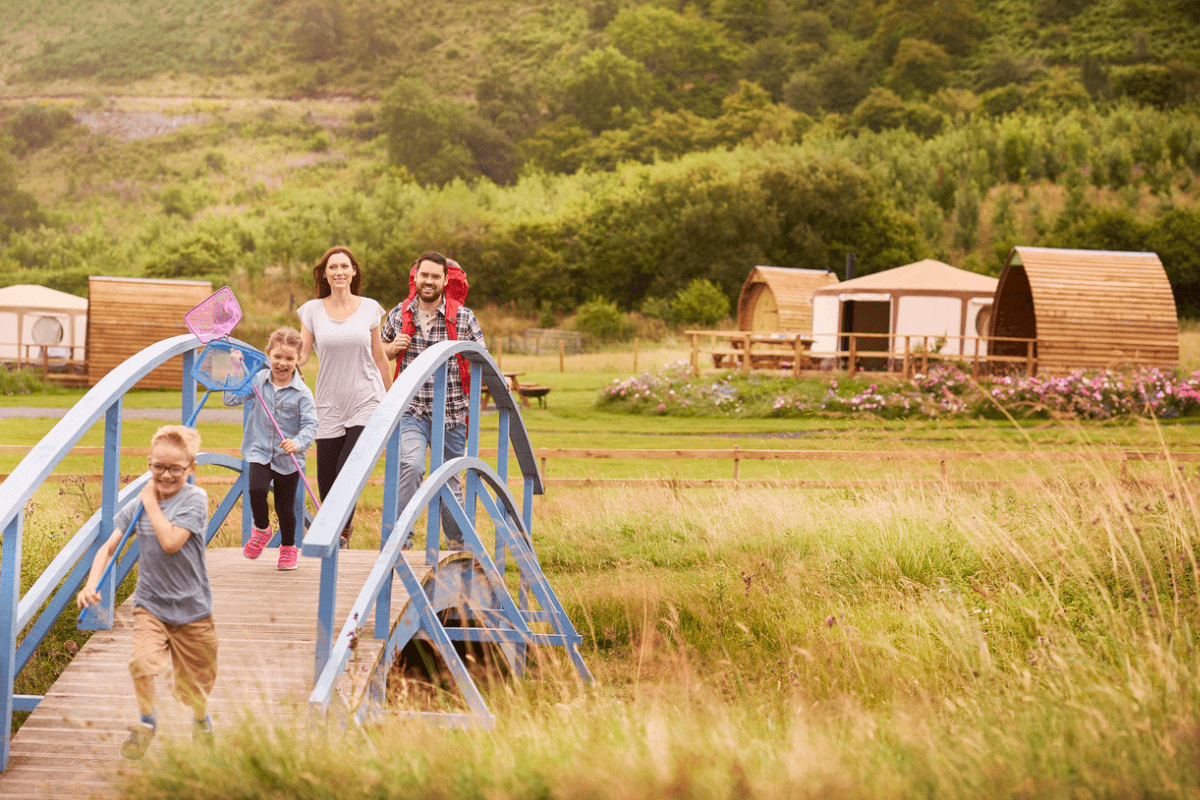
Plan your Lake District glamping escape with Coppermines Cottages
Glamping in the Lake District gives you the fells, lakes, and starry skies without the soggy sleeping bag.
Ready to swap your camping tent for something special? Check availability at our Coniston Shepherd Hut Lodges.


